Analytics Linking Blackjack Play to Slot Progressives Through Mobile Loyalty Networks
Written by Mia Hughes · Aug 13, 2026
Analytics Linking Blackjack Play to Slot Progressives Through Mobile Loyalty Networks
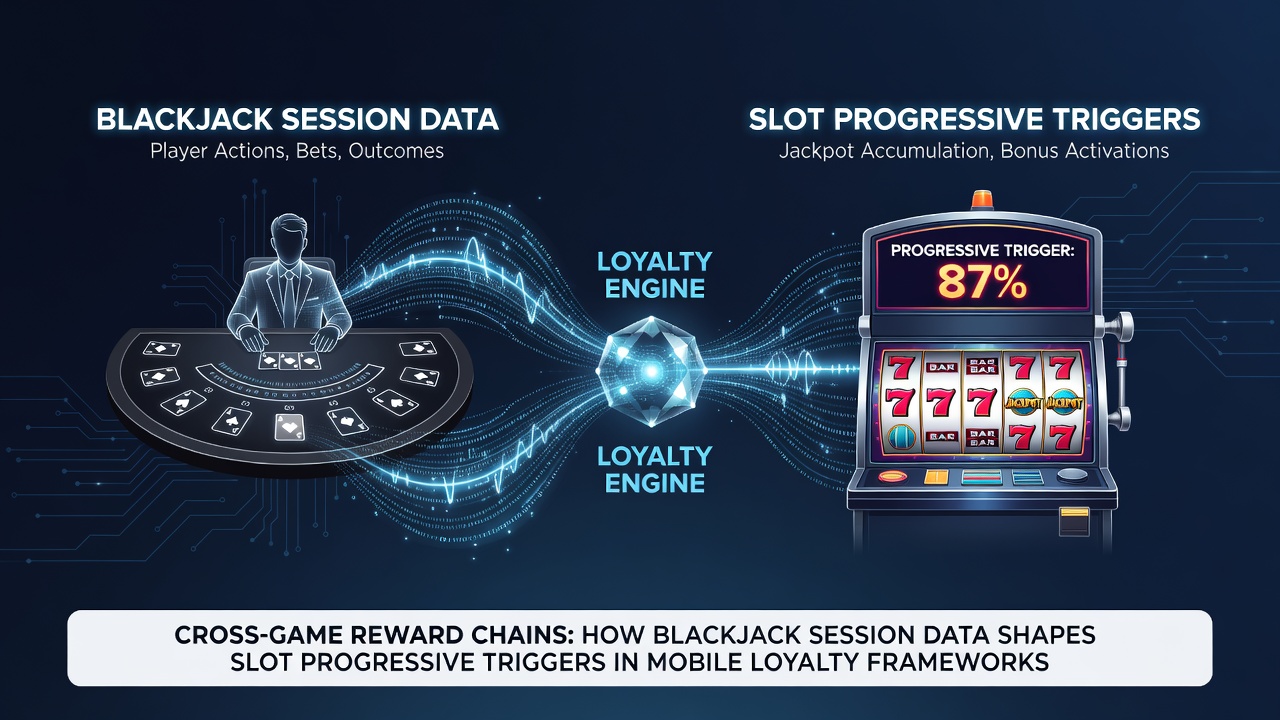
Blackjack session metrics such as average bet size, hands played per hour, and win-loss ratios flow directly into loyalty databases that operators use to calibrate slot progressive triggers, and these connections operate through mobile frameworks that track player activity across multiple game types in real time. Data collection begins when users log into mobile apps, where every decision at the blackjack table generates entries that algorithms later reference when determining jackpot contribution rates on connected slot titles. Operators integrate these streams because cross-game tracking allows them to maintain consistent engagement levels without requiring separate point systems for each vertical.
How Blackjack Metrics Enter Loyalty Algorithms
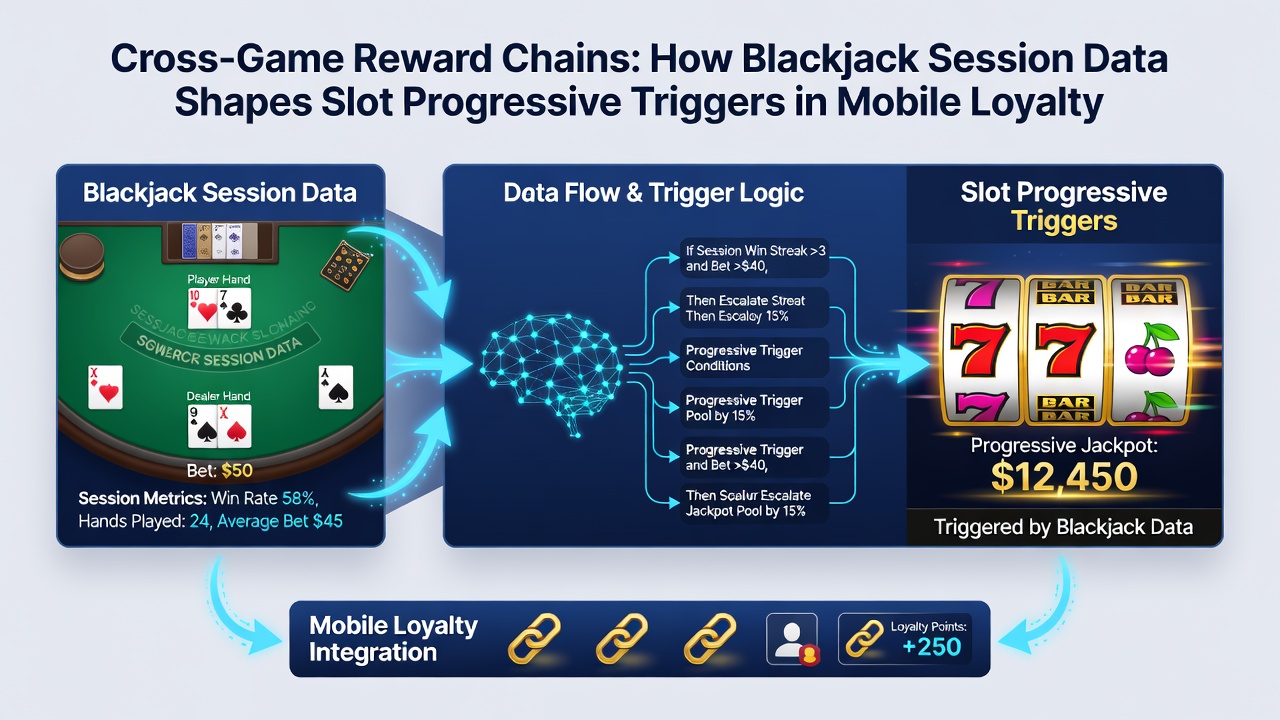
Session length and variance in blackjack wagers serve as primary inputs, while the frequency of side bets and insurance decisions adds secondary layers that refine player profiles. These profiles then determine when a progressive slot meter receives an accelerated contribution from the operator's reserve pool, and the adjustment occurs automatically once the system registers a threshold number of qualifying blackjack hands within a defined window. Researchers at the University of Nevada, Las Vegas have documented similar data pipelines in published analyses of integrated casino systems, noting that the same identifiers used for table-game tracking also govern slot trigger probabilities.
Mobile loyalty frameworks store this information in unified accounts that award points convertible across blackjack and slots, yet the conversion ratios adjust based on historical session patterns. A player who consistently places larger bets during blackjack sessions may see slot progressives activate at lower contribution thresholds, because the algorithm interprets sustained table activity as an indicator of overall spending capacity. This linkage remains invisible to the end user, who simply notices more frequent jackpot opportunities after extended blackjack play.
Progressive Trigger Adjustments in Practice
Slot progressive triggers rely on contribution percentages that operators can modulate through backend controls tied to loyalty data. When blackjack sessions show elevated activity, the system increases the rate at which a percentage of each slot wager feeds the progressive pool, and this change takes effect within teh same mobile session if the framework detects qualifying patterns. Operators in multiple jurisdictions apply these methods because they allow dynamic management of jackpot frequency without manual intervention for each player segment.
One documented implementation occurred when a European operator linked table-game duration directly to slot meter acceleration, resulting in measurable shifts in jackpot hit rates during periods of high blackjack volume. The Malta Gaming Authority has referenced comparable techniques in its technical standards updates, which require operators to maintain transparent logs of how loyalty data influences random number generator parameters for progressives. These logs ensure regulatory oversight while permitting the cross-game mechanics to function.
August 2026 Developments and System Updates
In August 2026 several platforms rolled out revised loyalty modules that incorporated machine-learning models trained on aggregated blackjack session histories. The updates refined how quickly slot progressive triggers responded to table-game data, shortening the lag between a qualifying blackjack sequence and an adjusted jackpot contribution rate. Industry reports from the Canadian Gaming Association noted that these enhancements reduced discrepancies between expected and actual progressive payouts across tested mobile environments.
The changes also introduced new verification steps that confirm player identity across devices before applying any cross-game adjustments. This step prevents mismatched data from affecting trigger probabilities and maintains compliance with regional data-protection rules. Observers note that the August 2026 revisions aligned mobile loyalty frameworks more closely with existing table-game reporting requirements already in place for land-based operations.
Conclusion
Blackjack session data continues to shape slot progressive triggers through mobile loyalty frameworks that aggregate activity across game categories, and operators apply these connections using algorithms that respond to wager patterns and session duration. Regulatory bodies in multiple regions require logging of such adjustments to ensure fairness, while technical standards evolve to accommodate the growing integration of table and slot systems. The mechanisms remain grounded in measurable inputs that loyalty platforms convert into dynamic jackpot parameters, creating interconnected reward structures that operate without direct player intervention.