Connecting the Dots: How Mobile Card Transactions Fuel Tiered Loyalty Systems
Written by Riley Wolf · Jun 20, 2026
Connecting the Dots: How Mobile Card Transactions Fuel Tiered Loyalty Systems
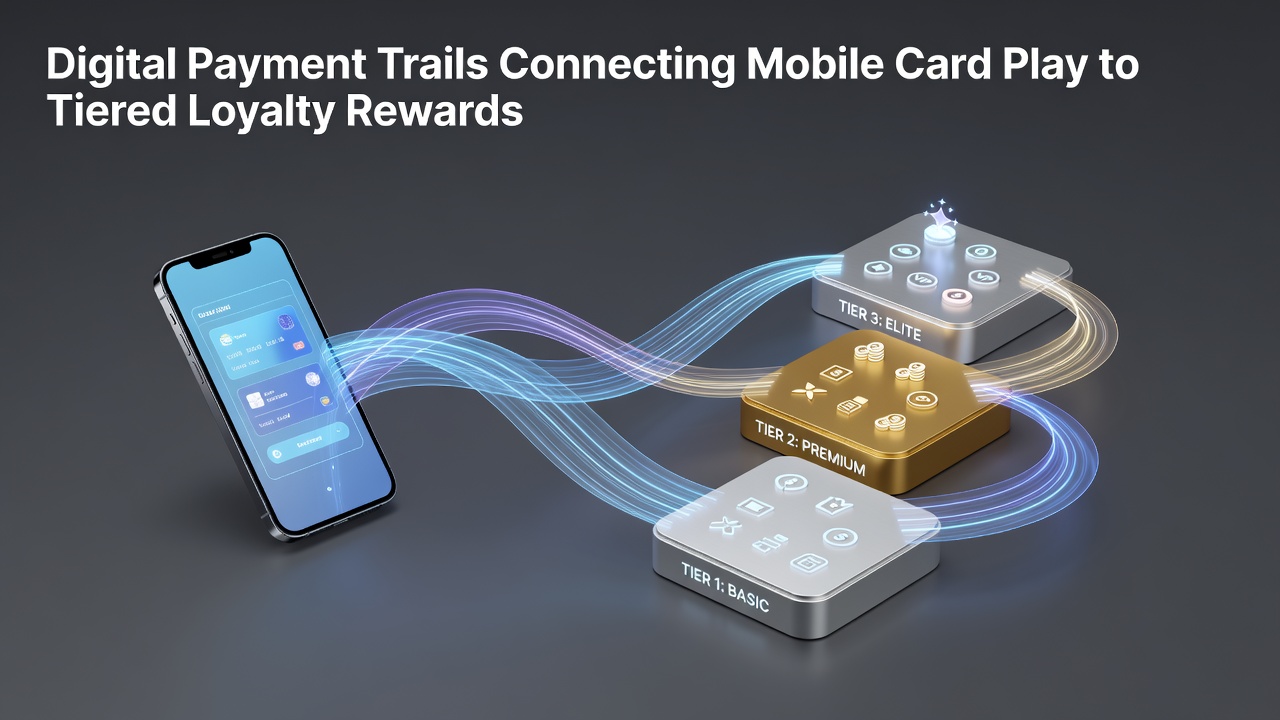
Digital payment trails form when consumers complete purchases through mobile card applications, and these records feed directly into loyalty platforms that assign points and unlock higher reward tiers. Observers note that transaction details such as amount, merchant category, and frequency travel through secure APIs to centralized databases where algorithms calculate eligibility for bronze, silver, gold, or platinum levels.
Mechanics of Transaction Data Capture
Mobile card play begins with a tap or scan that authorizes funds from linked bank accounts or digital wallets, yet the same action generates metadata that loyalty engines capture in real time. Systems operated by major card networks route this information through encrypted channels to participating retailers and service providers, where software matches purchase patterns against predefined thresholds. Research indicates that by June 2026 many platforms had integrated geolocation tags and time stamps to refine tier assignments, allowing faster progression for users who shop during peak promotional windows.
Payment processors maintain audit logs that document each step from authorization to settlement, and these logs serve as the backbone for reward calculations. When a transaction clears, the data packet travels to a loyalty management server that applies rules for point multipliers based on the user's current tier, creating a continuous feedback loop. Analysts at the Bank for International Settlements have documented how such trails reduce manual reconciliation while increasing accuracy in reward distribution across global markets.
Pathways from Mobile Activity to Tier Progression
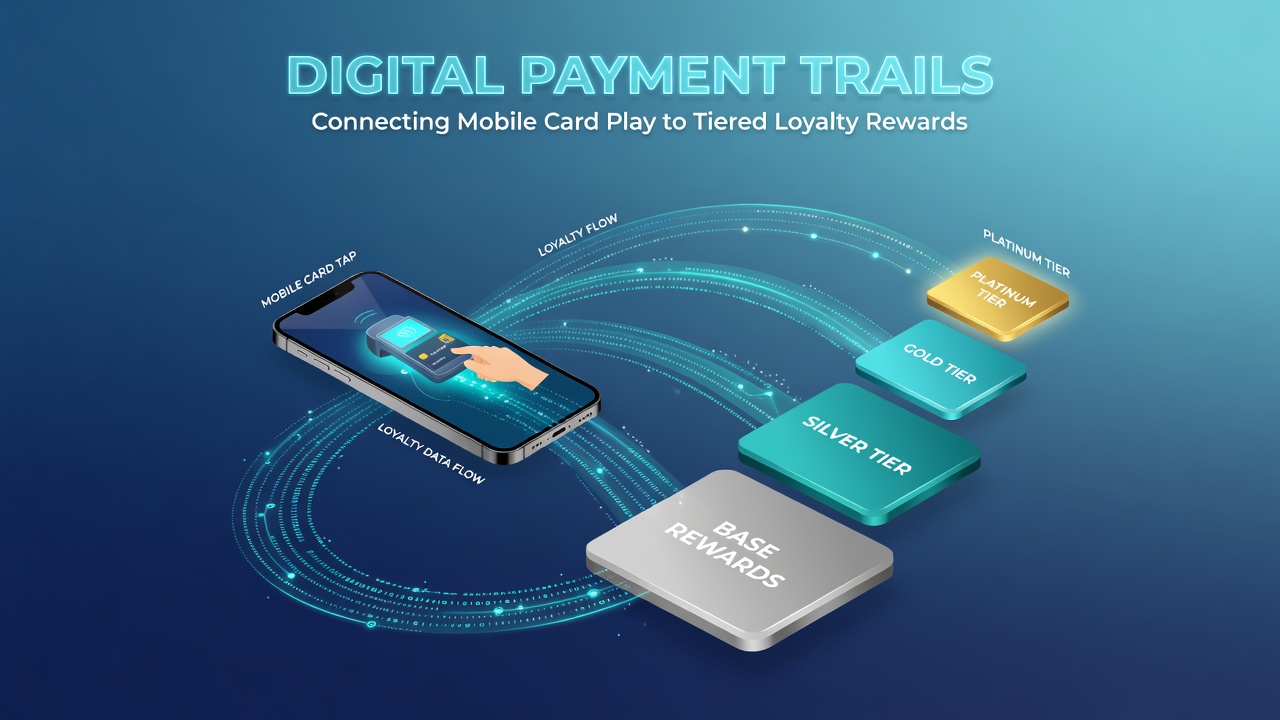
Once captured, payment trails enter scoring models that weigh factors including total spend volume, category diversity, and consistency over rolling periods. Users who reach spending milestones automatically receive notifications of tier elevation, which in turn activates benefits such as bonus points, priority customer service, or exclusive redemption options. Data shows that tiered structures encourage sustained engagement because each level carries visible perks that build on the previous one.
Integration between mobile banking apps and merchant loyalty portals occurs through standardized protocols that allow seamless data exchange without exposing full card numbers. Consumers often discover that a single grocery run recorded via mobile card not only deducts funds but also adds qualifying spend toward the next reward bracket. Studies from academic institutions tracking consumer behavior confirm that transparent trail visibility increases participation rates in these programs.
Role of Emerging Standards in 2026
Regulatory frameworks introduced in several regions during early 2026 required clearer disclosure of how transaction data supports loyalty calculations. These rules prompted operators to adopt consent-based sharing models where users actively approve trail routing to reward partners. European Central Bank reports from that period highlight increased adoption of tokenized identifiers that protect sensitive details while preserving the analytical value of payment histories.
Industry groups such as the Retail Payments Association have published guidelines encouraging standardized APIs that let smaller merchants participate in tiered ecosystems without building custom infrastructure. As a result, payment trails now connect a wider array of card activity to loyalty outcomes, extending benefits beyond traditional big-box retailers to local service providers. Figures reveal that cross-platform compatibility rose notably after these standards took effect.
Privacy and Security Considerations
Every digital trail carries inherent risks, and organizations address them through tokenization, encryption at rest, and regular penetration testing. Consumers retain rights to review stored transaction histories and request corrections when discrepancies appear. Research from university-led privacy studies demonstrates that robust audit mechanisms help maintain trust even as data volumes grow.
Security teams monitor for anomalies that might indicate unauthorized access to loyalty-linked payment records, triggering immediate reviews and potential tier status holds until verification completes. Such practices ensure that the connection between mobile card activity and reward tiers remains reliable without compromising user information.
Future Developments and Integration Trends
Looking ahead from June 2026, developers continue refining machine learning models that predict optimal tier pathways based on historical payment trails. These models suggest personalized spending strategies that align with user goals while respecting regulatory boundaries. Partnerships between financial institutions and loyalty software vendors have expanded the reach of tiered benefits into sectors such as travel, utilities, and digital services.
Continued evolution of contactless standards and embedded payment chips in wearables promises even richer data streams for loyalty calculations. Observers note that the core principle stays consistent: accurate, traceable mobile card transactions form the foundation upon which escalating reward structures rest.
Conclusion
Digital payment trails establish a direct, measurable link between everyday mobile card activity and advancement through tiered loyalty programs, supported by secure data flows, regulatory updates, and technological standards that matured significantly by mid-2026. This infrastructure allows participants to accumulate benefits systematically while organizations gain actionable insights from aggregated transaction patterns.