Exploring Connections Between Virtual Card Play and Progressive Slot Systems Through Structured Reward Programs
Written by Riley Wolf · Nov 9, 2026
Exploring Connections Between Virtual Card Play and Progressive Slot Systems Through Structured Reward Programs
Digital platforms integrate card-based games with slot mechanics through loyalty frameworks that track participation and convert activity into tier status. Research from the Australian Gambling Research Centre indicates these systems operate on points accumulation where card session duration and stake levels feed directly into reward escalators. Observers note that operators structure these pathways so consistent engagement across game types builds eligibility for progressive features typically associated with reel-based titles.
Mechanics of Digital Card Participation
Card sessions unfold in virtual environments that record every hand or round while simultaneously logging metrics such as total wagered amount and session length. These metrics flow into centralized loyalty engines that calculate tier movement in real time. Data from industry reports show that many platforms apply multiplier bonuses during promotional windows, accelerating advancement when card play occurs alongside other categories. Players reach intermediate tiers after meeting volume thresholds that vary by operator yet follow similar logarithmic scaling patterns across markets.
Progressive Reel Structures and Access Conditions
Reel progressives accumulate contributions from a percentage of each qualifying wager and grow until triggered by specific symbol combinations. Tiered programs often gate higher contribution rates or exclusive progressive pools behind loyalty milestones achieved partly through card activity. Figures from the American Gaming Association reveal that cross-category play frequently satisfies the playthrough requirements needed to unlock these enhanced contribution percentages. Systems register card-derived points alongside slot activity to determine when a user enters the upper tiers that carry access to larger progressive networks.
Pathway Integration Across Game Types
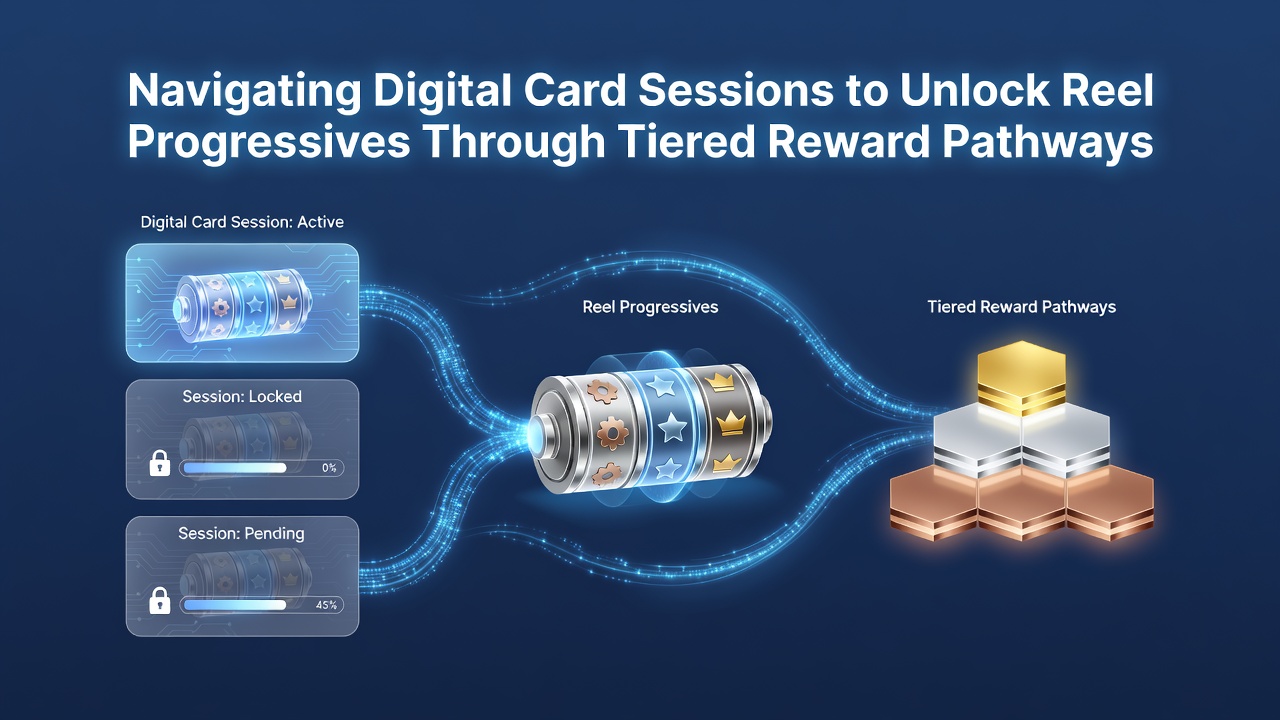
Operators link card sessions to reel progressives by routing loyalty points through unified ledgers rather than isolated game trackers. This design allows a sequence of card rounds to contribute toward the same tier ladder that governs slot reward eligibility. In November 2026 several platforms introduced synchronized dashboards that display combined progress across both categories, reducing fragmentation for users who alternate between game formats. Studies from the University of Nevada Gaming Research Center demonstrate that integrated tracking increases overall session continuity when points from one category visibly advance opportunities in another.

Navigation typically begins with enrollment in the base loyalty tier followed by monitored accumulation. Once a user crosses into mid-level status the system activates additional multipliers on progressive contributions stemming from either card or reel play. Higher tiers introduce further variables such as reduced qualification thresholds and priority access to new progressive titles. Reports compiled by the Canadian Gaming Association document that these layered benefits create measurable differences in average contribution rates between tier cohorts.
Operational Patterns Observed in 2026
Platform updates scheduled for late 2026 emphasize clearer visibility into how card-derived points translate into reel unlock conditions. Developers have adjusted algorithms so that session data from digital tables feeds the same progression meters used by reel engines. External audits confirm that these adjustments maintain compliance with jurisdictional standards while preserving the mathematical integrity of progressive pools. Those who monitor industry metrics note that cross-game pathways now appear in operator filings submitted to multiple regulatory bodies outside the United Kingdom.
Conclusion
Structured reward systems continue to merge participation across digital card environments with progressive reel opportunities through tier-based calculations. Evidence from regulatory filings and academic analyses shows consistent application of points conversion rules that reward sustained multi-category engagement. As platforms refine these linkages in November 2026 and beyond, the underlying data flows remain the primary mechanism that converts card session activity into eligibility for larger progressive outcomes.