Loyalty Networks Route Blackjack Stakes Into Shared Prize Pools
Written by Erik Otto · May 26, 2026
Loyalty Networks Route Blackjack Stakes Into Shared Prize Pools
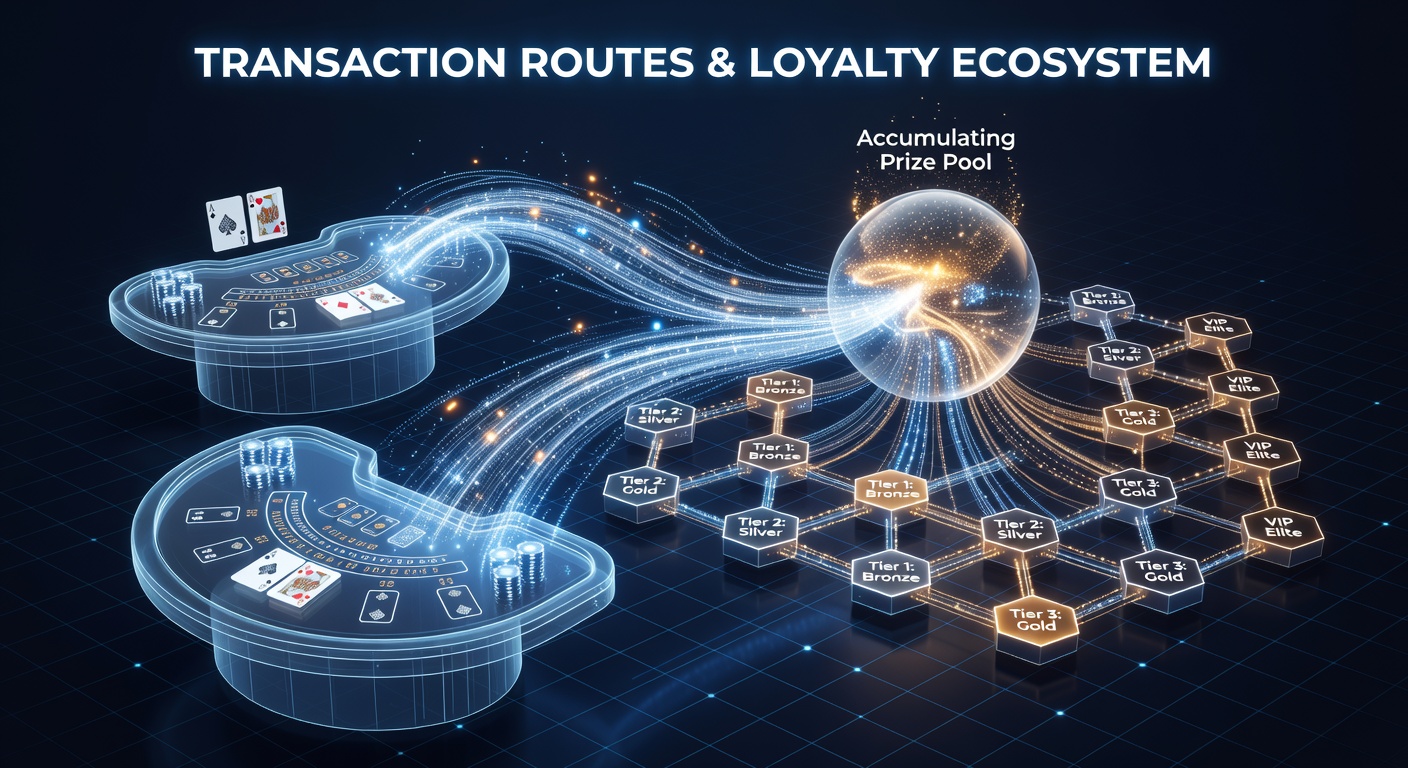
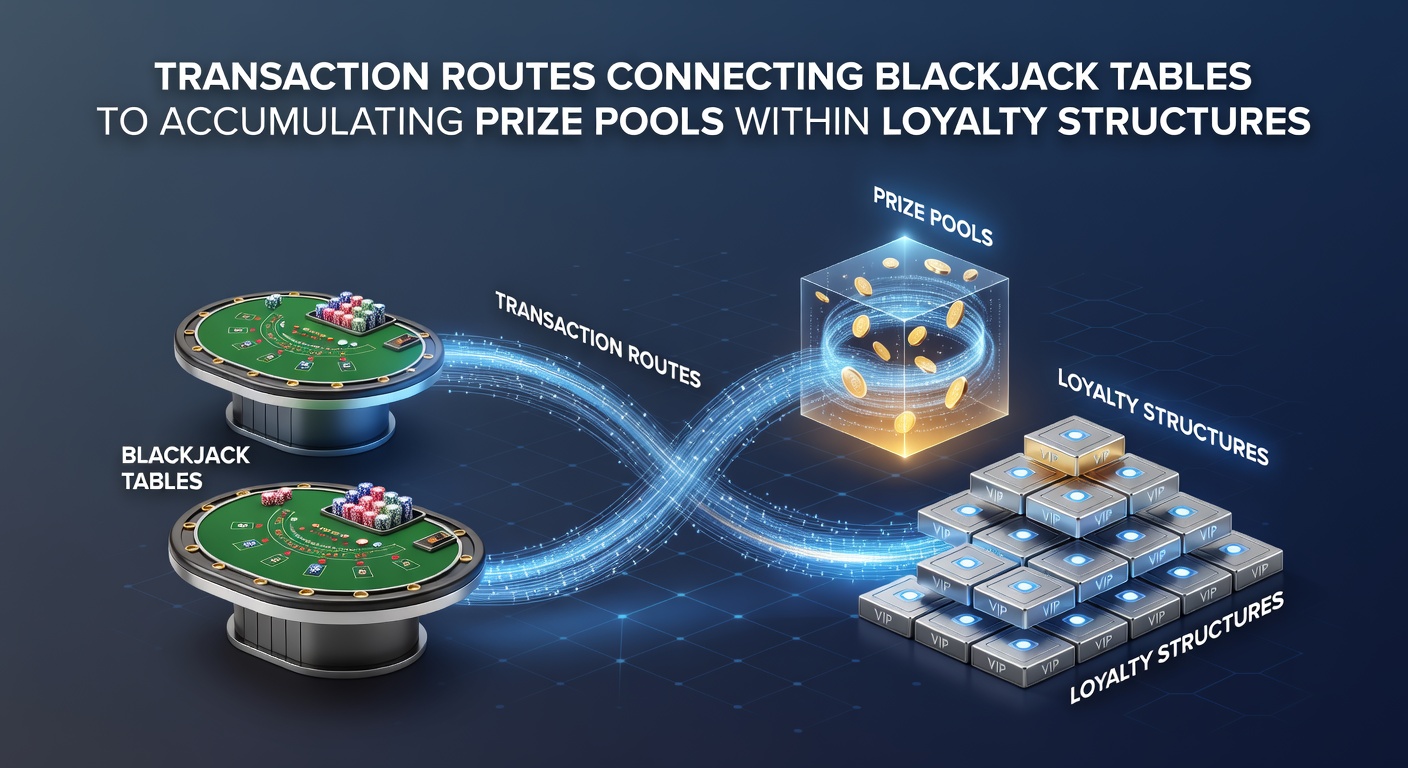
Transaction systems in modern casinos track every wager placed at blackjack tables and convert portions of that activity into loyalty points that feed directly into accumulating prize pools, and these mechanisms operate through integrated software platforms that record bets, calculate contributions, and allocate funds according to preset formulas. Operators use these routes to maintain player engagement while building reserve funds that grow over time and distribute as prizes at scheduled intervals or random triggers.Core Mechanics of Point Allocation
Blackjack players earn loyalty points based on the total amount wagered during each session, and the system deducts a small percentage of the theoretical house edge to contribute to prize pools rather than routing the full amount into general revenue. Software records each hand total, multiplies it by a contribution rate that varies by game type, and transfers the resulting value into designated accounts that support progressive-style rewards across multiple properties. Data from the Nevada Gaming Control Board shows these automated transfers occur in real time, which prevents manual intervention and maintains consistent pool growth rates throughout operating hours. Loyalty platforms further segment contributions by player tier, so higher-level members generate larger point values per dollar wagered, and those increments accelerate pool accumulation without altering the base game rules. Systems apply multipliers during promotional windows, which temporarily increase the rate at which blackjack activity adds to the shared reserves.Digital Tracking and Settlement Pathways
Modern loyalty networks rely on centralized databases that connect table terminals, player cards, and backend accounting modules, and these connections allow every transaction to follow a traceable route from the moment chips hit the felt until the contribution reaches the prize pool ledger. When a player inserts a loyalty card at a blackjack table, the system logs the session start time, tracks cumulative bets through RFID-enabled chips or digital interfaces, and calculates the exact contribution amount at session end before posting it to the pool balance. Operators integrate these pathways with third-party processors that handle multi-site aggregation, which means a player moving between locations still adds to the same accumulating fund. Settlement occurs daily, with automated reconciliations that flag discrepancies and route them for review while the verified amounts continue building the prize reserves without delay.Integration With Live Dealer and Mobile Platforms
Live dealer blackjack streams incorporate the same loyalty routing logic, and cameras plus card-recognition software feed wager data into the same tracking systems used on physical floors. Players who join remote tables receive points calculated from their session totals, and those points follow identical allocation rules that direct portions into the shared prize pools. As of May 2026 several major platforms completed upgrades that reduced latency between live action and point posting to under three seconds, which keeps pool balances current even during peak hours. Mobile applications mirror this structure by synchronizing with the central loyalty engine, and users who switch between table games and other offerings still generate contributions from blackjack play that follow the established transaction routes. The software maintains separate ledgers for each contribution category yet merges them into unified pool totals at regular intervals.