Mapping Digital Pathways: Blackjack Engagements Fueling Cross-Game Loyalty Access and Mobile Progressive Features
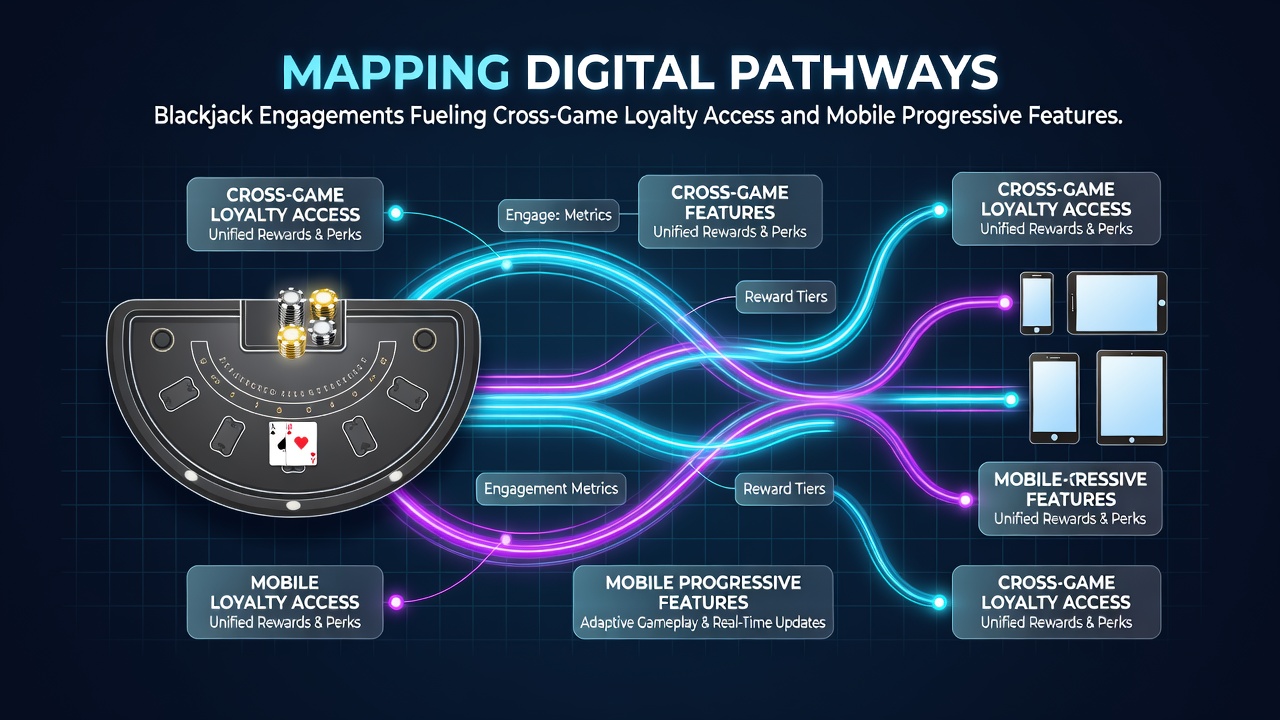
Platform operators have built layered systems where blackjack participation directly feeds into unified loyalty frameworks that span multiple game categories. Player activity tracked during live dealer sessions or mobile table rounds generates points that unlock tiered access across slot progressives and other table variants. These integrations rely on centralized databases that record stake levels, session duration, and game selection before converting that information into cross-game privileges. Data from the American Gaming Association shows that operators using unified loyalty ledgers report higher retention rates when blackjack metrics contribute to broader reward pools. Systems record every hand played and every multiplier earned then route those values into a shared profile visible on both desktop and handheld devices. As a result, a user who reaches a mid-tier status through consistent blackjack play gains immediate entry to progressive jackpot networks normally reserved for slot users.
Platform Architecture Behind Cross-Game Transfers
Modern casino software maps each blackjack engagement to a central ledger that other verticals read in real time. When a player completes a session, the system logs wager totals and bonus triggers then pushes eligibility flags to slot servers and live dealer lobbies. This architecture reduces friction because loyalty status travels automatically rather than requiring separate enrollment for each game type. Mobile applications extend the same ledger through cloud synchronization so that progressives update across devices without manual intervention. A user who unlocks a loyalty multiplier on a tablet during a blackjack tournament sees that multiplier apply to a progressive slot meter moments later on a smartphone. Operators achieve this by maintaining a single authentication layer that all game clients query before each round begins.
Mobile Progressive Mechanics in July 2026
July 2026 brought expanded support for location-aware progressive pools on handheld platforms. Several major networks activated features that link blackjack session streaks to growing mobile jackpot meters visible only through dedicated apps. These meters accumulate contributions from table game stakes and distribute portions back to players who maintain continuous loyalty status across categories. Engineers added conditional triggers so that consecutive blackjack wins above a set threshold accelerate the meter fill rate for linked slot titles. The change required updates to both the loyalty database schema and the mobile client rendering engine. Figures released by industry monitoring groups indicate that adoption of these July 2026 mobile enhancements reached over 60 percent of regulated operators within the first quarter of deployment.
Loyalty Tier Structures and Access Rules
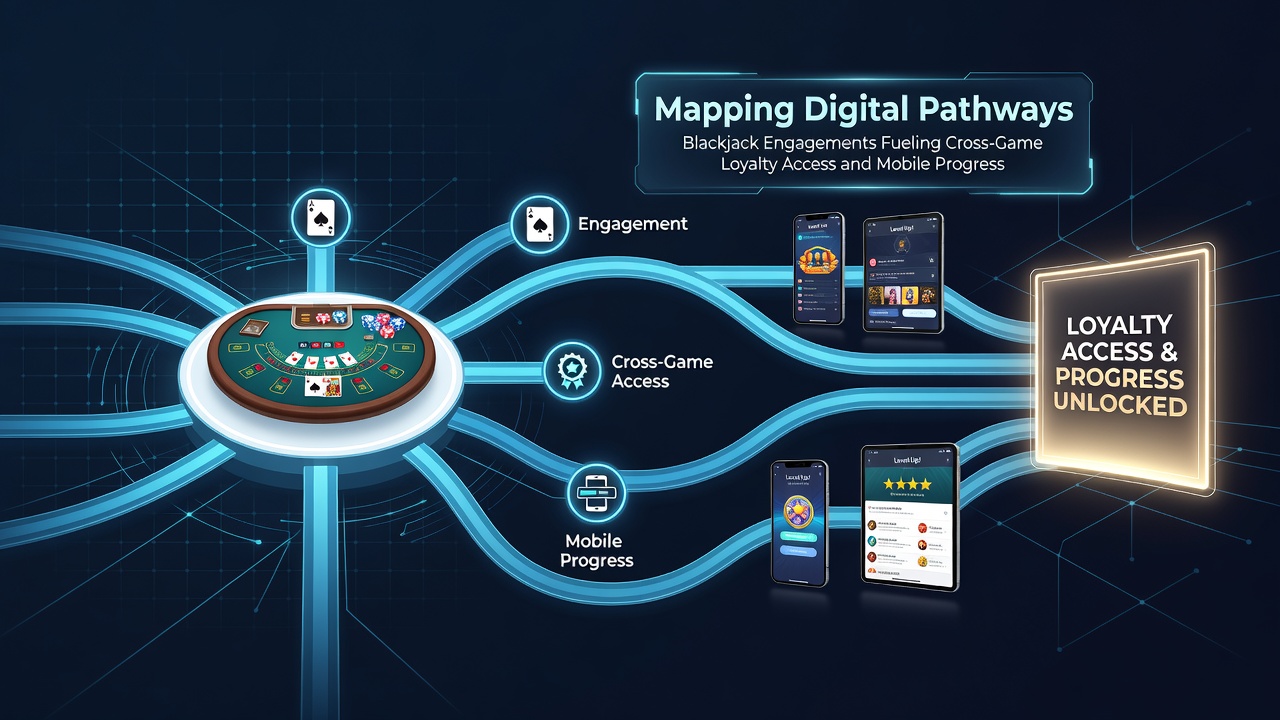
Tier progression follows a points-based model where blackjack contributes at a higher rate than many other games because of its documented house-edge transparency and session length. Once a player crosses into silver or gold status, the system grants instant access to exclusive progressive networks and reduced wagering requirements on cross-game bonuses. Observers note that these rules appear in operator terms as standardized clauses that apply uniformly across all supported titles. Research published through the Journal of Gambling Studies indicates that players who combine blackjack activity with mobile progressive participation maintain accounts longer than single-game users. The study tracked anonymized ledger entries over eighteen months and found measurable differences in average lifetime value when loyalty pathways connected table games directly to slot progressives. Operators implement these findings by adjusting point accrual tables so that blackjack remains a primary entry route into higher tiers.
Regulatory Context Across Jurisdictions
Different licensing regions impose varying requirements on how loyalty data may transfer between game categories. Canadian provincial regulators, for instance, require clear disclosure of point conversion rates before any cross-game feature activates. Australian oversight bodies similarly mandate that progressive contributions remain segregated until players explicitly consent to shared pools. These rules shape the technical mapping that developers must embed within each platform update. Operators respond by building configurable modules that adjust data flows according to the active license. A single backend can therefore serve multiple markets while respecting local restrictions on loyalty aggregation. The result is a flexible pathway architecture that still delivers the core benefit of blackjack-driven access to mobile progressives wherever regulations permit.
Technical Implementation Examples
One documented case involves a European operator that integrated its blackjack engine with a third-party progressive server in early 2025. After the connection went live, players who reached platinum loyalty through table play received automatic entry codes for mobile-only jackpot pools. The integration required API endpoints that pushed session summaries every thirty seconds and validated tier status before each progressive spin. Another implementation in a North American market added geofencing so that mobile progressives only accept contributions from verified blackjack sessions conducted within licensed boundaries. This safeguard prevents unauthorized cross-border transfers while preserving the loyalty pathway for domestic users. Both examples illustrate how the mapping of digital pathways remains adaptable to technical and legal constraints.
Conclusion
Blackjack engagements continue to serve as primary inputs for loyalty systems that unlock cross-game features and mobile progressive access. The architecture relies on centralized ledgers, synchronized mobile clients, and jurisdiction-specific compliance modules that together create seamless pathways between table play and broader reward structures. As updates from July 2026 demonstrate, these connections keep expanding in scope while remaining anchored in the same core data-mapping principles.