Payment Networks Powering Transitions Across Strategic Card Games and Reel Entertainment in Reward Structures
Written by Erik Otto · Jul 14, 2026
Payment Networks Powering Transitions Across Strategic Card Games and Reel Entertainment in Reward Structures
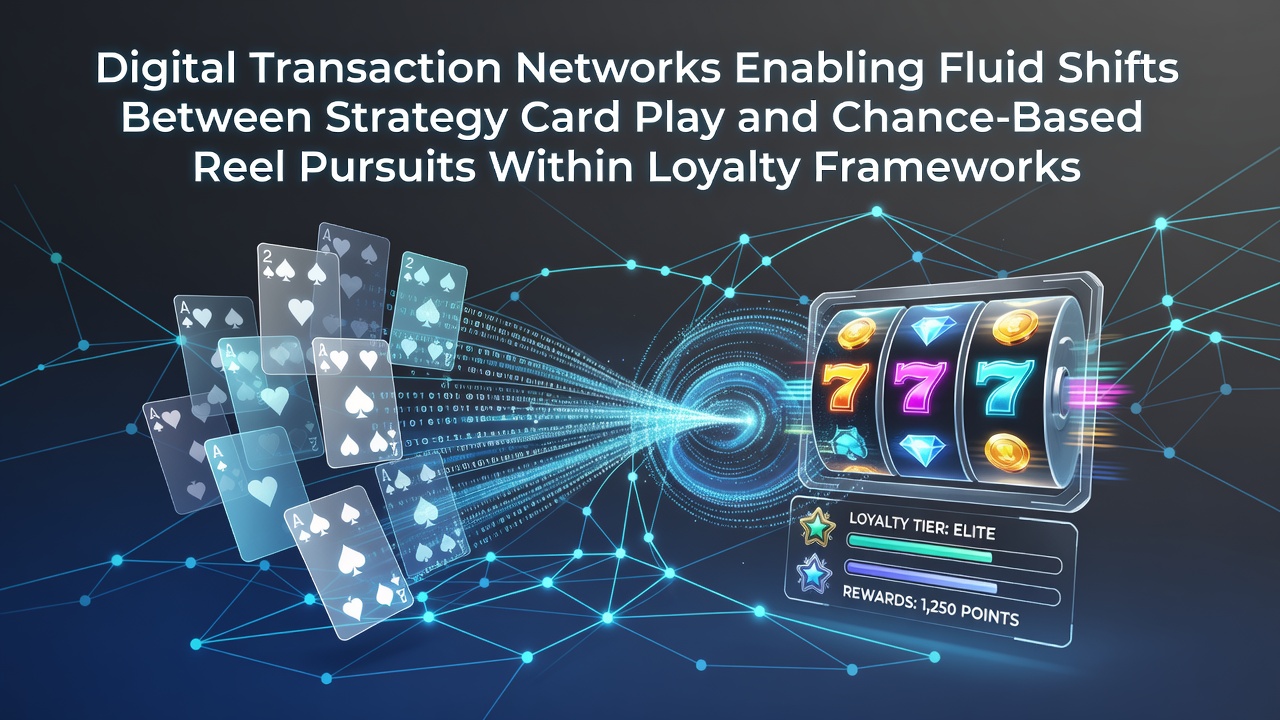
Digital transaction networks now form the backbone of many casino loyalty frameworks, allowing participants to move between strategy-focused card sessions and chance-oriented reel activities without separate funding steps or account resets. These systems handle real-time transfers of credits, points, and bonuses across game categories, and operators report that integration of instant settlement tools has reduced average session interruption times by measurable margins in multiple jurisdictions.
Core Mechanics of Integrated Transaction Platforms
Transaction platforms operate through APIs that link player wallets directly to game servers, so funds or loyalty credits flow between card tables and reel interfaces in seconds. Observers note that protocols supporting multi-currency handling and instant verification let users maintain continuous play sequences, while backend ledgers track contributions to tier progression regardless of game type selected. Data from industry audits shows that platforms with sub-second confirmation rates see higher retention metrics compared with those relying on batch processing.
Role of Loyalty Frameworks in Game Fluidity
Loyalty structures assign point values to both card outcomes and reel results, then convert those points into playable credits or tier benefits through the same transaction layer. Researchers at the University of Nevada's gaming studies program documented how unified ledgers eliminate the need for manual redemptions when shifting between game modes, and figures from 2025 deployments indicated average point-to-credit conversion times dropped below four seconds after network upgrades. Players accumulate status through strategic decisions at card tables yet apply rewards immediately to reel sequences, and the network records each action against the single profile.
What's notable is the way these networks manage regulatory compliance across regions. Systems incorporate geolocation checks and transaction logging that satisfy requirements from bodies such as the Malta Gaming Authority and various Australian state regulators, so operators maintain records without pausing player movement between game types.
Technical Components Enabling Real-Time Shifts
Key components include tokenized wallet addresses, smart contract triggers for point multipliers, and reconciliation engines that settle across game servers every few milliseconds. One case examined by analysts at the Canadian Centre for Gaming Research revealed that casinos adopting these elements recorded a 27 percent rise in cross-game activity within loyalty tiers during the first quarter after rollout. The networks also support progressive jackpot pools that draw contributions from both card wagers and reel spins, creating shared prize structures that update continuously.
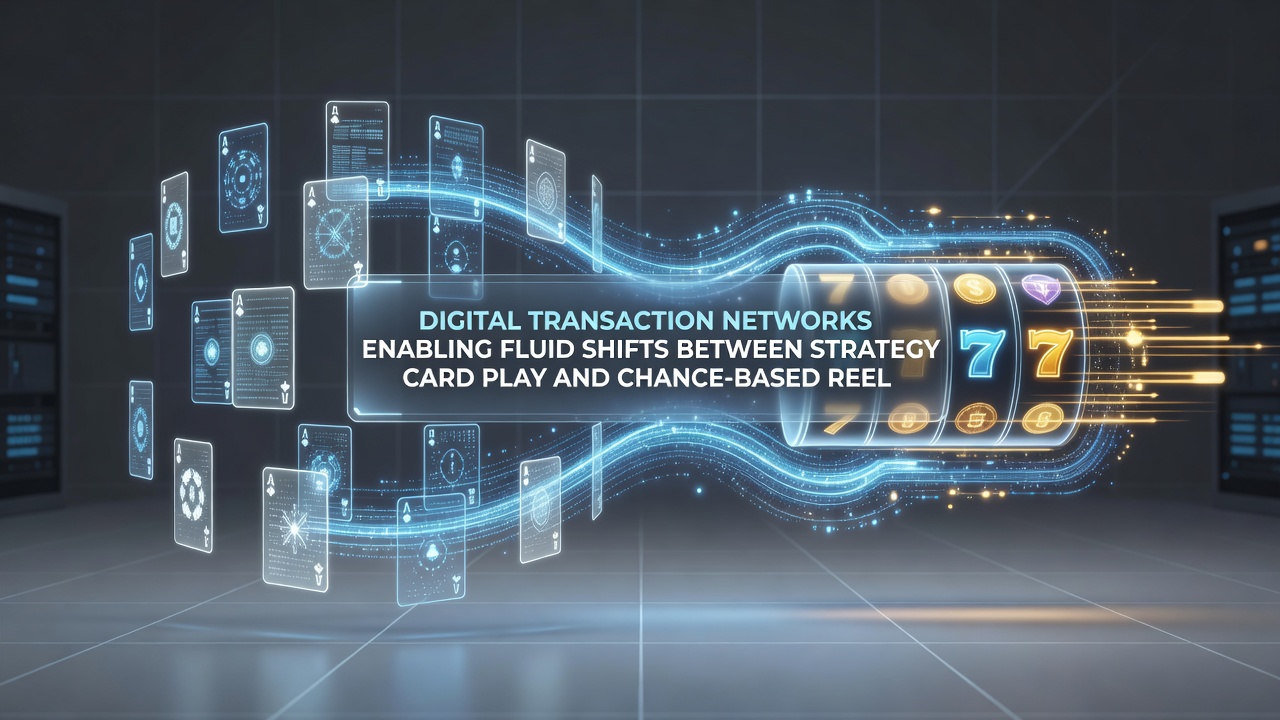
Additional layers handle bonus allocation rules that scale with player tier, so higher-status accounts receive accelerated point earnings on either game category. Transaction logs feed directly into these rules, and automated audits confirm that no manual intervention occurs during switches. Figures released in mid-2026 from European fintech-gaming partnerships indicated that latency reductions achieved through edge computing nodes further stabilized these flows during peak hours.
Regional Implementation Patterns Observed in 2026
By July 2026 several North American and European operators had completed phased upgrades that embedded digital transaction networks into existing loyalty databases. Reports from the American Gaming Association highlighted deployments in three U.S. states where card-to-reel credit transfers now occur under a single regulatory reporting framework. In parallel, research published by the Australian Gambling Research Centre noted similar patterns among operators using centralized clearing houses, with point portability across game verticals listed as a primary driver of tier advancement rates.
Those networks also accommodate mobile endpoints, allowing participants to initiate shifts from handheld devices while the backend maintains synchronization. Data logs from these sessions feed loyalty algorithms that adjust future reward rates based on observed movement patterns between card and reel activities.
Conclusion
Digital transaction networks continue to reshape how loyalty frameworks accommodate movement between strategy card play and chance-based reel pursuits. By handling credits, points, and compliance data through unified channels, these systems support uninterrupted player progression across game categories. Evidence from multiple regulatory regions and academic reviews indicates that continued refinement of settlement speeds and cross-game tracking will remain central to operator strategies through the remainder of the decade.