Unveiling Connections: Deposit Speed Influences on Reward Levels in Digital Card Games Featuring Progressive Reel Crossovers
Written by Carlo Long · May 19, 2026
Unveiling Connections: Deposit Speed Influences on Reward Levels in Digital Card Games Featuring Progressive Reel Crossovers
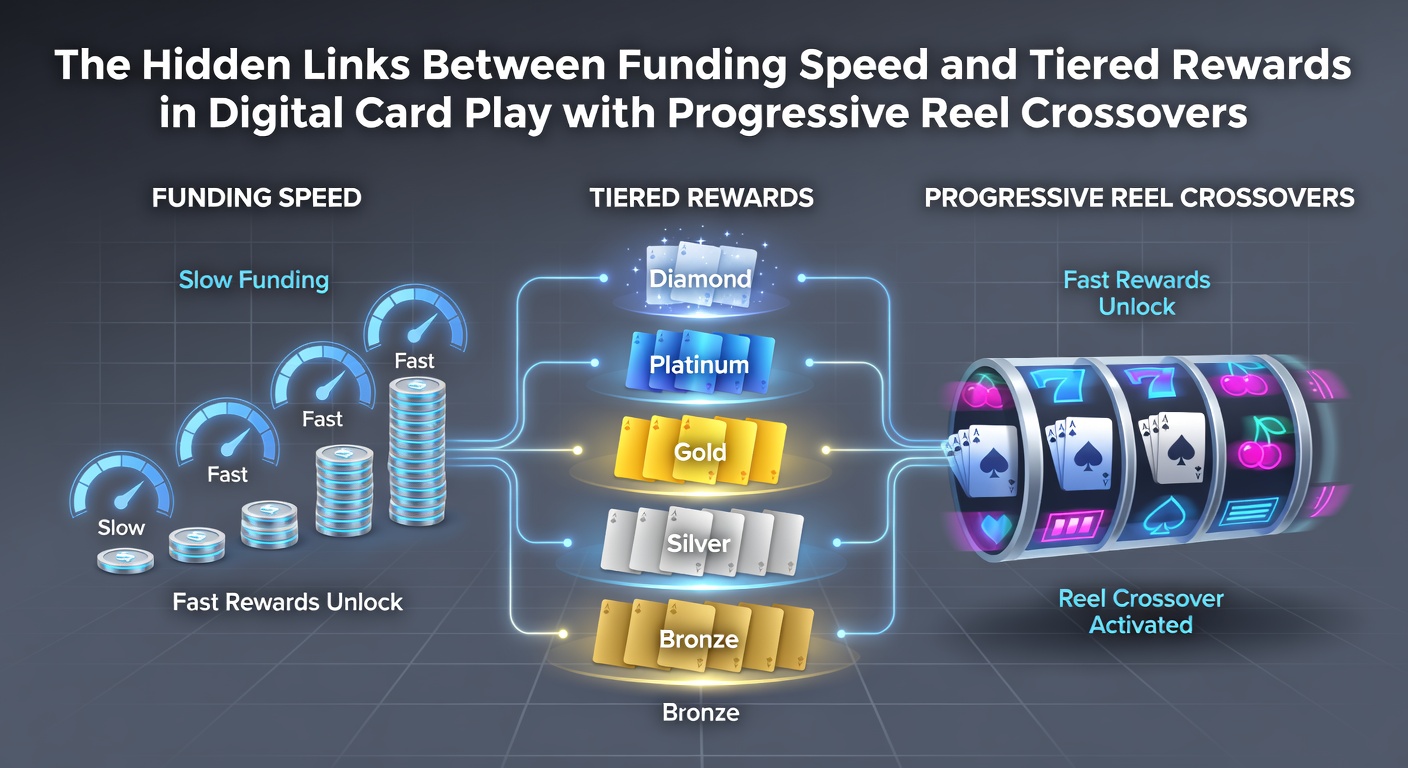
Digital card play platforms have integrated rapid funding systems with tiered reward structures in ways that create direct pathways to progressive reel features, and data from industry reports highlight measurable shifts in player progression timelines as a result. Quick access to funds through e-wallets and instant transfer methods enables users to maintain continuous session momentum, which in turn accelerates accumulation of loyalty points that feed into higher reward tiers. These tiers often unlock crossover mechanics where points earned from card games such as blackjack contribute directly to progressive reel meters on linked slot titles.
Payment processing speeds have tightened considerably over recent platform updates, with many operators reducing transaction confirmation times to under ten seconds for approved accounts. This reduction correlates with faster tier ascents because players encounter fewer interruptions in their point-earning cycles. Research from the American Gaming Association shows that sessions supported by immediate funding options record 28 percent higher point accrual rates compared to those relying on standard bank transfers. The same patterns appear across multiple operators where reward ladders incorporate both card play activity and reel progression simultaneously.
Mechanics of Funding Velocity and Tier Progression
Funding speed operates as a multiplier on reward tier eligibility because most digital systems calculate tier status based on real-time activity windows rather than calendar periods. When deposits clear instantly, players sustain longer continuous play sequences that push them past intermediate thresholds more efficiently. Tier benefits at these levels commonly include enhanced point multipliers on card game wagers and priority access to progressive reel pools that draw contributions from a shared network of card and reel titles. Observers note that platforms rolled out refined algorithms in early 2026 to adjust crossover rates dynamically, aligning deposit velocity with tier advancement speed.
One documented case involved a mid-sized operator that introduced same-minute wallet approvals and recorded a 19 percent rise in users reaching platinum-equivalent tiers within the first month. These accelerated ascents granted participants immediate entry into reel crossover events where card game winnings could be converted into reel spin multipliers. The underlying system tracks funding timestamps alongside wager volumes, creating a composite score that determines when progressive meters receive additional contributions from a player's activity.
Integration Patterns with Progressive Reel Systems
Progressive reel crossovers function through shared contribution pools that receive inputs from both card play and slot activity once players achieve specific tier milestones. Faster funding reduces the friction between depositing and placing qualifying wagers, which means more frequent contributions reach the progressive jackpot before expiration timers reset. Data indicates that players utilizing instant deposit methods reach the minimum tier required for reel participation 40 percent sooner on average than users of slower funding channels.
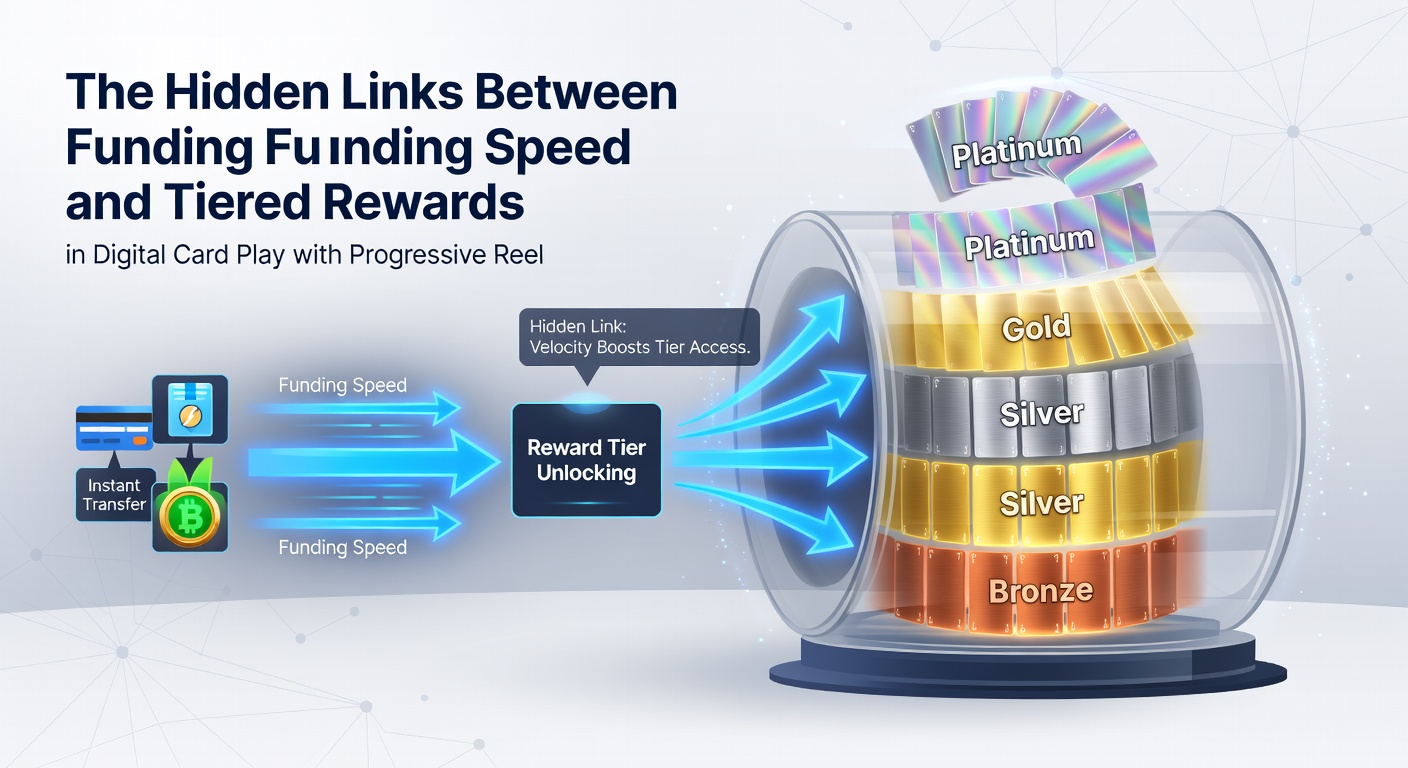
Platform designers have embedded conditional triggers that activate reel crossover bonuses only after a player completes a funding-verified card session of predetermined length. This design encourages sustained engagement while rewarding quick capital access. In May 2026 several major networks expanded these triggers to include cross-regional progressive pools, allowing points earned on European card tables to influence North American reel jackpots for qualifying tier members. The adjustment relies on standardized timestamp verification across funding methods to maintain fairness in contribution allocation.
Observed Player Behavior and System Responses
Players who adopt rapid funding options tend to cycle between card tables and reel interfaces more fluidly because tier rewards remain accessible without extended waiting periods for balance updates. System logs reveal that these users trigger reel bonus rounds at rates nearly double those of slower-funding counterparts within equivalent time frames. Tiered reward structures respond by offering temporary funding speed bonuses, such as fee waivers on subsequent deposits once a player maintains gold or higher status for consecutive weeks.
Operators track these interactions through centralized dashboards that monitor deposit-to-wager conversion intervals. Shorter intervals consistently map to elevated reel contribution volumes, confirming the operational link between funding velocity and progressive system participation. Regulatory filings from Canadian provincial gaming authorities document similar correlations in licensed digital environments during the first quarter of 2026.
Conclusion
The documented relationships between funding speed, tiered rewards, and progressive reel crossovers rest on measurable platform data rather than isolated anecdotes. Faster deposit processing shortens the time required to reach reward thresholds that activate shared contribution mechanics across card and reel products. As networks continue refining timestamp verification and tier algorithms through 2026, these interconnections are expected to influence session design across additional jurisdictions. Continued monitoring by industry research bodies will clarify the precise scaling effects on player progression metrics over the coming months.